Why Uninsured Tree Service Providers Cost More

Table of Contents
The Hidden Costs of Uninsured Tree Service Providers
Financial Liability When an Uninsured Worker Is Injured
Homeowner Responsibility for Medical Bills and Lost Wages
Workers' Compensation Coverage and Employee Injuries
Property Damage Risks: Falling Limbs, Trees, and Equipment
General Liability Insurance and Third-Party Damage Claims
How to Verify a Tree Service's Insurance Coverage
Understanding the Tree Service Certificate of Insurance
What Coverage Types Protect You and Your Property
Policy Limits, Exclusions, and Subcontractor Coverage
Critical Questions to Ask Before Hiring a Tree Service
Verification Checklist and What to Do After an Accident
Why Lowest Bid Often Means Highest Risk
Frequently Asked Questions
Last Updated: October 19, 2026
The Hidden Costs of Uninsured Tree Service Providers
Hiring an uninsured tree service might seem like a smart way to save money upfront. But that decision can cost you far more than you bargained for.
Uninsured tree service providers create serious financial and legal risks for homeowners. When something goes wrong, and in tree work, something often does, you become personally liable for injuries, medical bills, property damage, and legal fees. A single accident can wipe out years of savings from choosing the cheaper option.
This guide covers the real financial exposure of working with uninsured tree services, how to verify coverage, and what to do if an accident happens.
Financial Liability When an Uninsured Worker Is Injured
When a tree service worker gets injured on your property, you face immediate legal and financial consequences if they're uninsured. The injured worker can sue you directly for medical expenses, lost wages, and pain and suffering. Your homeowner's insurance typically does not cover injuries to contractors or employees working on your property.
Homeowner Responsibility for Medical Bills and Lost Wages
An uninsured worker injured during tree removal or trimming may rack up thousands in emergency room bills, surgery costs, and ongoing care. If they can't work, they lose income, and many pursue lawsuits against the homeowner to recover these costs.
Here's the financial exposure you face:
Emergency medical care: $5,000 to $15,000 for serious injuries
Ongoing treatment and rehabilitation: Months of physical therapy and specialist visits
Lost wages: Workers claim compensation for time they cannot work
Legal fees: Your attorney costs to defend against their lawsuit
Court judgments: Potentially $50,000 or more if the case goes to trial
Your homeowner's policy excludes coverage for employees and contractors, and the worker's health insurance may deny the claim because the injury happened during employment. You're left holding the bill.
Workers' Compensation Coverage and Employee Injuries
Legitimate tree services carry workers' compensation insurance, which protects both the worker and you. When a worker gets hurt, the policy covers medical bills and lost wages, and the worker cannot sue the homeowner.
An uninsured tree service has no workers' compensation policy. This means:
The worker has no coverage for their medical bills
You become the target of their lawsuit
The worker's family may also sue for loss of income
Your personal assets are at risk
Workers' compensation is a legal requirement in most states. Hiring an uninsured provider means you assume all the risk that coverage would normally handle.
Property Damage Risks: Falling Limbs, Trees, and Equipment
Tree work is inherently hazardous. Mistakes happen. Equipment breaks. Limbs fall in unexpected directions. When property damage occurs, you need a contractor with general liability insurance to cover the cost.
Uninsured tree service providers leave you responsible for damage to your own home, your neighbor's property, and anything else on the job site.
Common property damage scenarios include:
Falling tree or limb damages your roof or house structure
Equipment damage to your fence, driveway, or landscaping
Tree limbs fall on a neighbor's property or vehicle
Debris damages parked cars or outdoor structures
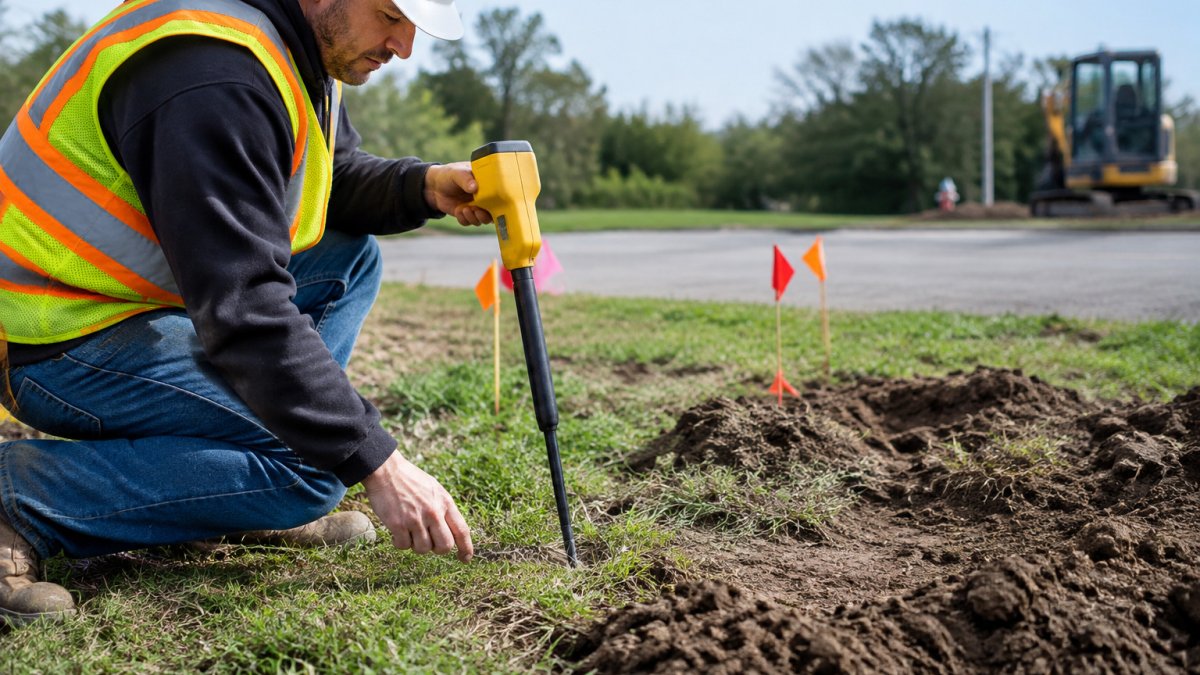
Accidental cutting of underground utilities (gas, electric, water lines)
Your homeowner's insurance may deny a claim if you hired an uninsured contractor, since insurers often exclude damage caused by unlicensed or uninsured providers. You pay for repairs out of pocket.
If the damage extends to your neighbor's property, they can sue you.
General Liability Insurance and Third-Party Damage Claims
General liability insurance protects both the contractor and the homeowner when third-party property is damaged, covering injuries to bystanders, damage to neighboring properties, and accidental damage during the job.
When a tree service carries general liability insurance:
The contractor's insurance pays for damage to third-party property
You're protected from lawsuits by neighbors or passersby
Medical bills for injuries to third parties are covered
Legal defense costs are included in the policy
An uninsured tree service has no general liability protection.
Third-party liability claims can be expensive. Replacing a neighbor's roof damaged by a falling tree can cost $8,000 to $20,000. A vehicle repair claim can exceed $5,000.
Legitimate tree services treat general liability insurance as non-negotiable. Contractors who operate without it are cutting corners in ways that put your property and finances at serious risk.
How to Verify a Tree Service's Insurance Coverage
Verifying insurance before hiring a tree service is the single most important step you can take to protect yourself. Don't accept verbal promises; request written proof of coverage.

Ask the contractor for a certificate of insurance (COI), an official document from their insurer proving active coverage. A legitimate contractor will provide it without hesitation; refusal or excuses are a red flag.
The certificate of insurance should show:
The contractor's name and business address
The insurance company's name
The policy number and effective dates
The coverage limits for general liability
Workers' compensation coverage (if they have employees)
Your name listed as an "additional insured" (optional but recommended)
Understanding the Tree Service Certificate of Insurance
A certificate of insurance is a one-page document summarizing the contractor's coverage. It isn't the full policy, but it proves the policy exists and is active.
The certificate includes key details:
Policy period: The start and end dates of coverage. Make sure it covers your project dates.
Coverage limits: The maximum amount the insurance will pay for a claim. Typical limits are $1 million for general liability.
Carrier information: The name of the insurance company. You can verify this independently if you want.
Additional insured status: Some certificates list you as an additional insured, which gives you direct protection under their policy.
If the certificate shows a past expiration date, coverage is no longer active. If the policy period ends before your project is complete, ask for an updated certificate.
What Coverage Types Protect You and Your Property
Tree service contractors typically carry two types of insurance: general liability and workers' compensation. Each protects you in different ways.
General liability insurance covers:
Damage to your property during the job
Damage to neighboring properties
Injuries to bystanders or third parties
Medical expenses and legal defense costs for third-party claims
Workers' compensation insurance covers:
Medical bills for injured workers
Lost wages while the worker recovers
Rehabilitation and ongoing care
Prevents the worker from suing you personally
Some contractors also carry commercial auto insurance if they operate equipment or vehicles on your property. This covers damage caused by their vehicles.
A contractor with both general liability and workers' compensation has addressed the two biggest financial exposures.
Policy Limits, Exclusions, and Subcontractor Coverage
The certificate of insurance shows policy limits, the maximum amount the insurance will pay for a single claim. Common limits are $1 million for general liability.
Ask about policy exclusions. Some policies exclude certain types of work or specific risks. For example, a policy might exclude coverage for tree removal over a certain height or for work near power lines.
Subcontractor coverage is another critical detail. Ask if the contractor uses subcontractors for any part of the work.
Request the certificate of insurance before work starts and review it carefully. A professional contractor will explain their coverage without hesitation.
Critical Questions to Ask Before Hiring a Tree Service
Before you hire any tree service, ask these specific questions. The answers reveal whether the contractor is professional, insured, and safe.
"Are you fully insured?" Listen for a clear yes, not a vague response. Ask to see the certificate of insurance before the job starts.
"Do you carry workers' compensation insurance?" If they have employees, this is legally required in most states. If they say no, they're operating illegally.
"What are your general liability coverage limits?" Standard limits are $1 million. If they're lower, understand why.
"Are there any exclusions that might apply to my project?" Understand what's covered and what's not.
"Do you use subcontractors, and are they insured?" If yes, get proof of their insurance too.
"What's your process if something goes wrong?" A professional contractor has a clear answer. They know how to handle accidents and damage.
"How long have you been in business?" Experience matters. A contractor with years of track record has systems in place to operate safely.
"Can you provide references?" Contact previous customers and ask if the contractor handled their property with care.
Verification Checklist and What to Do After an Accident
Use this checklist before hiring and after any accident:
Request the certificate of insurance in writing
Verify the policy is active and covers your project dates
Confirm general liability coverage of at least $1 million
Confirm workers' compensation coverage if they have employees
Check that your address is listed as the job site
Ask about coverage exclusions relevant to your project
Request proof of subcontractor insurance if applicable
Get the contractor's license number and verify it with your state
Review the written estimate and contract before work starts
If an accident or damage occurs:
Document everything with photos and video
Get contact information from any witnesses
Report the incident to the contractor immediately
File a claim with the contractor's insurance company (get the name from the certificate)
Notify your homeowner's insurance company
Keep all receipts and documentation for repairs
Consult an attorney if the damage is significant or the contractor denies responsibility
If the contractor is uninsured and refuses to pay for damage, your only recourse is a lawsuit. Legal fees and court costs can exceed the damage itself. This is why verifying insurance upfront is so critical.
Why Lowest Bid Often Means Highest Risk
The contractor with the lowest bid often cuts corners: skipping safety precautions, hiring inexperienced workers, and operating without proper insurance.
A professional tree service with proper insurance, experienced staff, and safety protocols costs more.
Consider the real cost comparison:
Low bid with no insurance: $2,000 for the job, but $15,000 in liability if a worker gets hurt
Mid-range bid with full insurance: $3,500 for the job, with all risks transferred to the contractor's insurance
The difference is $1,500 upfront, but the protection is worth thousands.
An uninsured contractor underbids by avoiding insurance premiums, proper training, safety equipment, and liability protection, all essentials for safe tree work.
Hiring an uninsured tree service might save a few hundred dollars today, but it exposes you to tens of thousands in potential liability.
Frequently Asked Questions
Can I be held responsible if an uninsured tree worker is injured on my property?
Yes. Without workers' compensation insurance, an injured uninsured tree worker may sue you directly for medical bills, lost wages, and pain and suffering. Homeowner liability insurance typically does not cover employee injuries, leaving you personally exposed to potentially tens of thousands of dollars in legal costs and settlements. This is one of the most serious financial risks of hiring uninsured tree service providers.
How can I verify a tree service provider's insurance?
Request a current certificate of insurance before work begins. Call the insurance company listed on the certificate to confirm coverage is active. Ask for the policy limits, expiration date, and whether the policy covers the specific work being performed. Verify that general liability coverage is at least $1 million and that workers' compensation is included. Never accept verbal assurances alone, always get written proof of insurance.
What should I do if a tree service cannot provide proof of insurance?
Do not hire them. A reputable, licensed contractor will provide documentation without hesitation. If they refuse or claim they will 'get it to you later,' that is a red flag. Uninsured or under-insured providers often avoid this question because they lack coverage. Moving forward with an uninsured tree service exposes you to catastrophic financial liability if an accident occurs on your property.
What is the difference between general liability and workers' compensation insurance for tree services?
General liability insurance protects against damage your tree service causes to third-party property, like your roof or neighbor's fence. Workers' compensation covers medical bills and lost wages if an employee is injured on the job. Both are essential. General liability alone does not protect you if a worker is hurt; workers' compensation is required by law in most states for tree service employees. Verify that your contractor carries both.
Call or Text for estimate

Comments