How to Protect Tree Roots During Landscaping Projects

Last Updated: November 4, 2026
Quick Summary
To protect tree roots during landscaping projects, first calculate the critical root zone from trunk diameter and fence it off before any machine arrives. Keep heavy equipment and material piles outside that zone, avoid grade changes and excess fill, and cover exposed roots with 2 to 4 inches of mulch kept back from the trunk.
Tree roots that matter most for stability and water uptake sit in the top 12 to 18 inches of soil.
The 10/20/30 rule converts trunk diameter into three concentric protection zones you can stake out.
Convert multipliers from inches to feet before staking, or the protected area shrinks by a factor of twelve.
Spread 2 to 4 inches of organic mulch over exposed roots, keeping it a few inches back from the trunk.
Cover exposed roots with damp burlap or mulch, and do not cut or paint fresh wounds.
Table of Contents
Why Landscaping Projects Damage Tree Roots
Most root damage happens before anyone touches a shovel, which is why the best way to protect tree roots is to plan ahead. It happens when a project plan treats the tree as an obstacle rather than infrastructure.
A homeowner who adds a fire pit or replaces a walkway may not connect that project to a mature oak that later starts dropping branches, but the connection is direct.
How Construction and Digging Hurt the Root System
Digging severs roots outright, but compaction and grade changes do slower, often worse damage. A single pass from a loaded dump truck can compress soil enough that water and oxygen stop moving through it.
The U.S. Forest Service guidance on urban tree root systems notes that the majority of a mature tree's fine roots grow in the upper soil layer, which is precisely where foot traffic and equipment do their damage.
Tree Root Protection During Construction: Calculating the Critical Root Zone
You cannot protect what you cannot measure. The critical root zone is the area around a trunk where the roots essential to the tree's health live, and it is the first calculation any project needs. Get this number right and every other decision, from fencing placement to material storage, follows from it.
Start with trunk diameter measured at breast height, roughly 4.5 feet off the ground. A simple multiplier is commonly used: for each inch of trunk diameter, extend protection outward by a set number of feet. The multiplier varies with species tolerance, soil, and site conditions, so treat any single number as a starting point rather than a code requirement. Measure the trunk, multiply, and mark the result with flagging before the first machine arrives.
The 10/20/30 Rule and Tree Protection Zone Math
The 10/20/30 rule is a commonly used approach that translates trunk size into three concentric zones:
10x trunk diameter (in inches, converted to feet): the minimum tree protection zone for most projects. A 15-inch trunk gives a 150-inch radius, or about 12.5 feet.
20x trunk diameter: the zone where no significant grade change should occur. The same 15-inch trunk gives about 25 feet.
30x trunk diameter: the approximate full root spread for a mature tree and the ideal limit for heavy equipment. The same 15-inch trunk gives about 37.5 feet.
Watch out: the multipliers are expressed in inches of radius per inch of trunk diameter, so convert to feet before you stake the line.
On a small lot you may not have room for the full 30x zone. That is exactly why the calculation matters: it tells you where to negotiate, where to shift a patio, and where to say no.
Measuring and Marking the Zone on Site
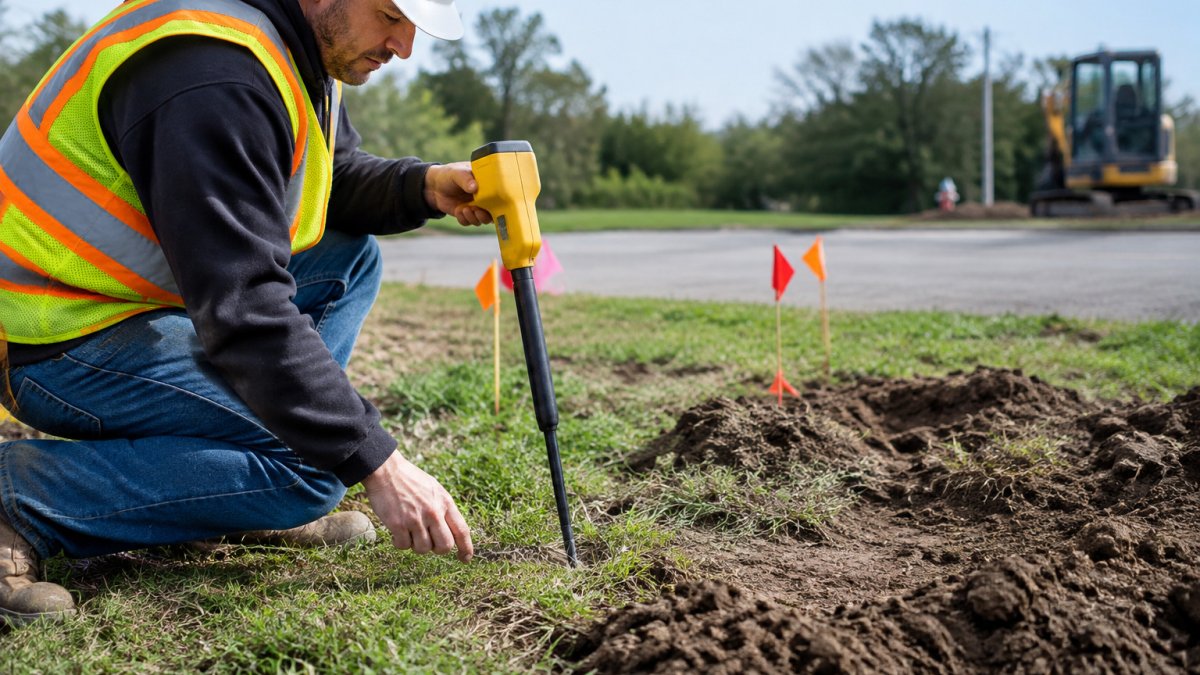
A calculation is only useful if it reaches the ground. Measure trunk diameter at breast height with a diameter tape or a fabric tape wrapped around the trunk, then divide the circumference by 3.14. Multiply by your chosen factor, convert inches to feet, and walk the radius out from the trunk in at least four directions.
The 10/20/30 rule turns trunk diameter into three protection zones you can stake out before work begins.
Zone | Multiplier | What it protects | Example for a 15-inch trunk |
Minimum tree protection zone | 10x trunk diameter | Minimum protection for most projects | 150-inch radius, about 12.5 feet |
No grade change zone | 20x trunk diameter | Area where no significant grade change should occur | About 25 feet |
Full root spread | 30x trunk diameter | Approximate full root spread; ideal limit for heavy equipment | About 37.5 feet |
Landscaping Over Tree Roots Without Harming the Tree
Adding a garden bed or path over roots is possible. Treating that area like bare ground is what kills trees. The goal is to change what sits on top of the soil without changing the soil itself.
Avoiding Soil Compaction, Grade Changes, and Excess Fill
Three mistakes account for most decline we see after a landscaping project:
Compaction. Equipment and material piles press the air out of soil. Keep heavy loads off the root zone entirely, or use plywood and gravel pads to spread weight.
Grade changes. Raising soil over roots by even a few inches can smother them. Lowering grade cuts roots outright.
Excess fill. Piling soil against the trunk buries the root flare, which invites decay and pests.
If a design calls for raising the grade over roots, use a coarse, airy fill and keep it shallow, and never pile soil against the trunk. Where a hardscape is unavoidable, a porous paving system that lets water and air through beats solid concrete.
Building a Protective Barrier and Keeping Equipment Away
A barrier is only as good as its placement and its enforcement. Fencing installed at the critical root zone line, before work begins, prevents the damage that no amount of aftercare can undo.

Set up the site so the barrier is the path of least resistance:
Fence the full protection zone, not just the trunk. Orange safety fencing on metal posts works for most residential jobs.
Designate a materials staging area on the driveway or street, never under the canopy.
Route vehicles and equipment around the zone, and post the route for every crew member.
Protect the trunk with wrapped boards if machinery must pass nearby.
The International Society of Arboriculture's guidance on tree protection during construction treats fencing and root zone exclusion as baseline practice, not optional. We agree. A barrier costs little and prevents the most expensive outcomes.
How to Cover Exposed Tree Roots in Lawn Areas
Surface roots in a lawn are a maintenance headache and a mower hazard, but burying them is the wrong fix. The right approach adds a shallow, breathable layer that hides roots without smothering them. Spread 2 to 4 inches of organic mulch over the root area, keeping it a few inches back from the trunk so the root flare stays exposed.
Root-Safe Alternatives to Covering Exposed Roots
Mulch is not the only option, and sometimes it is not the best one. Each alternative carries a different trade-off in soil volume, drainage, and long-term maintenance:
Ground cover such as creeping thyme or vinca, planted in a thin soil layer, hides roots and holds moisture. It needs the least added soil, but it competes with the tree for water and nutrients, so choose species that tolerate dry shade.
Shade-loving perennials tolerate root competition better than turf grass and add seasonal interest, though they still require a thin planting layer and occasional division.
A shallow deck or raised walkway on posts spans roots without compacting soil beneath. It is the most expensive option and must be designed so posts miss major roots, but it preserves both the root zone and a usable surface.
Converting lawn to a mulched bed removes the mower conflict entirely and is the simplest long-term fix, at the cost of losing turf area.
Watch out: adding more than a few inches of fine-textured soil or sand over roots to level a lawn can cut off the air exchange roots depend on. If a contractor proposes several inches of fill to bury surface roots, ask how drainage and oxygen will be maintained before agreeing.
If you want a broader maintenance routine to pair with these fixes, our tree health maintenance tips for homeowners cover watering, mulching, and pruning in more depth.
Will Covering Tree Roots Kill the Tree?
Covering roots does not kill a tree by itself. Covering them deeply, with the wrong material, or piling soil against the trunk can. The difference comes down to depth, material, and how much of the root flare stays exposed.
A thin mulch layer is safe. A foot of topsoil is not. Roots need oxygen, and a heavy, fine-textured fill cuts off the air exchange they depend on (Soil Aeration, Flooding, and Tree Growth1).
What to Do When Roots Are Unexpectedly Exposed or Damaged
Stop work first, then assess. Exposed roots are not automatically dead roots, and a severed root is not automatically a lost tree, but the next few decisions matter. Cover exposed roots with damp burlap or mulch to prevent drying, and do not cut or paint fresh wounds.
Assess severity by root size and location. Small roots severed far from the trunk are usually survivable. Our guide on how to assess tree root health walks through what to check after damage occurs.
Planning Your Root-Safe Landscaping Project with Anderson Tree Care
Good planning beats good repair every time. Map the critical root zone, fence it, stage materials away from it, and choose root-safe coverings before the first shovel hits the ground. That sequence protects the tree and your investment in the landscape.
If you would rather have the assessment done for you, our team can evaluate root health, flag risks, and plan around mature trees before work starts. Learn how to choose a certified arborist so you know what credentials to verify, and when you are ready, contact us to request an estimate.
For a full rundown of seasonal care tasks, our list of essential tree maintenance tasks for homeowners is a good next read.
Frequently Asked Questions
What can you cover tree roots with without harming the tree?
Use a thin layer of organic mulch, no more than 2 to 4 inches deep, kept a few inches away from the trunk. Mulch holds moisture, moderates soil temperature, and slowly breaks down into the soil. Avoid piling soil, gravel, or paving directly over the root zone, because added weight and fill can compact the soil and starve roots of oxygen. If you want a finished look, choose porous materials and keep the total added depth shallow.
How much soil can you add over tree roots before it causes damage?
Keep added fill to a minimum, generally no more than 1 to 2 inches over the critical root zone, and never change the grade around a mature tree without a plan. Deeper fill reduces oxygen reaching the roots and can smother them over time. If a project requires raising the soil level, talk to a certified arborist first about options such as aeration, retaining walls, or a designed fill system that protects the root system.
Can you remove exposed tree roots without damaging the tree?
Small surface roots can sometimes be pruned carefully, but cutting large roots or removing several at once can weaken the tree and make it unstable. Never cut roots within the critical root zone without guidance from an arborist. If roots are lifting pavement or creating a trip hazard, a professional can assess which cuts are safe and whether the hardscape should be rerouted instead. Protect tree roots first, then adjust the landscape design.
Do root barriers actually work to protect foundations and paving?
Root barriers can redirect roots away from foundations, driveways, and sidewalks when they are installed correctly and deep enough for the species. They work best as a planning tool installed before planting or before a hardscape project, not as a fix after roots have already caused damage. Barrier depth, material, and placement matter, so have an arborist or landscape professional review the plan before digging.
Protecting roots during a landscaping project is mostly about planning before the first machine arrives, and that is where we can help. Anderson Tree Care brings over a decade of experience, full licensing and insurance, and a habit of putting tree protection first on every job. We assess root zones, recommend root-safe designs, and handle planting, trimming, and removal when a tree cannot be saved. Get started with Anderson Tree Care and keep your mature trees healthy through your next project.
Comments