What to Do With Stump Grindings: 7 Smart Reuses

Table of Contents
What to Do With Stump Grindings: 7 Practical Options
How to Use Stump Grindings as Mulch
Fresh vs. Aged Grindings: Which Is Safe?
Using Grindings in Garden Beds, Compost, and Paths
Adding Grindings to Your Compost Pile
Building a Garden Path or Walkway
How Long Do Stump Grindings Take to Decompose?
How to Dispose of Tree Stump Grindings
Estimate Your Volume First
Curbside and Municipal Green-Waste Options
When Grindings Should Not Be Spread
Hauling It Yourself vs. Hiring It Out
Free Mulch Exchanges
Stump Grinding Cleanup: Restoring the Site for Grass or Replanting
Separate the Chips From the Soil
Backfill and Settle the Hole
Establishing Grass Over the Old Stump Site
Replanting a Tree or Shrub on the Same Spot
When to Bring in a Pro
Common Mistakes to Avoid With Stump Grindings
When to Call a Professional for Stump Grinding
Frequently Asked Questions
Last Updated: October 14, 2026
What to Do With Stump Grindings: 7 Practical Options
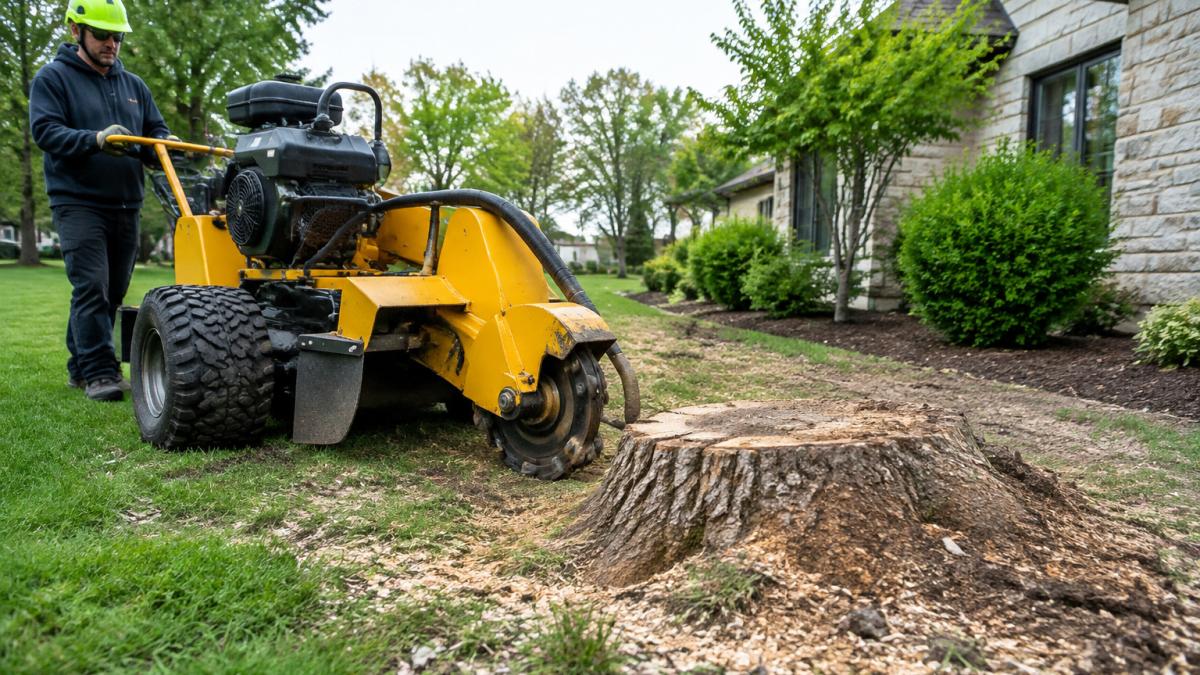
Stump grindings are the wood chips, shavings, and debris left behind after a stump grinding job.
Here is the good news. According to University of Illinois Extension guidance on using wood chips, wood chips make excellent mulch when applied correctly.
This guide covers seven ways to put it to work, plus how to dispose of it if you would rather not.
The seven options below work for most yards:
Mulch around trees and shrubs
Top dressing for garden beds
A brown layer in your compost pile
How to Use Stump Grindings as Mulch
Using stump grindings as mulch is the simplest option, and it costs nothing.

Mulch does three jobs at once. It holds soil moisture, keeps weeds down, and steadies soil temperature through hot and cold spells.
Here is how to apply grindings as mulch:
Rake the pile to break up clumps.
Pull mulch back two to three inches from tree trunks.
Spread a two to four inch layer over bare soil.
Water the layer so it settles.
Top it up each spring.
The one rule that matters: keep mulch off the trunk. Piling it against bark traps moisture and invites rot and pests.
Fresh vs. Aged Grindings: Which Is Safe?
Fresh grindings are safe as surface mulch, but not safe to dig into soil. Fresh wood ties up nitrogen as it breaks down, and that can starve nearby plants.
Aged grindings are the safer choice for mixing into beds. Let a pile sit for six to twelve months, turning it every few weeks.
Watch Out Never mix fresh grindings straight into your soil. The decomposition process pulls nitrogen away from plant roots, and young plants can yellow and stall within weeks.
Using Grindings in Garden Beds, Compost, and Paths
Grindings earn their keep in three more spots: garden beds, the compost pile, and paths. Each use has its own method.
Chris's Stump Grinding
For garden beds, use aged grindings as a surface layer only. Keep them on top of the soil, not dug in.
Adding Grindings to Your Compost Pile
Stump grindings are a carbon-rich material, and compost needs carbon. Pair them with a nitrogen-rich material like grass clippings or kitchen scraps.
Follow this ratio and schedule:
Compost Layer | Material | Share of Pile | Turn Frequency |
Brown | Grindings, leaves | About two thirds | Every 2 weeks |
Green | Grass, food scraps | About one third | Every 2 weeks |
Water | Moisture | Damp, not soaked | As needed |
Chop large chunks before adding them. Smaller pieces break down faster.
Building a Garden Path or Walkway
A path is the fastest way to use a big pile. Lay down landscape fabric first, then spread three to four inches of grindings.
Tamp the surface and edge it with boards or stones. Refresh the path each year as the chips settle.
Pro Tip Pack paths in thin layers and tamp each one. A single thick dump of chips stays loose and shifts underfoot, while layered chips lock together and hold their shape.
How Long Do Stump Grindings Take to Decompose?
Stump grindings take six months to two years to decompose, depending on pile size, moisture, and chip size.
Large piles can take longer. The inside of a big pile stays cool and dry, so the process slows.
Speed it up with these steps:
Break the pile into smaller heaps
Turn it every few weeks
Keep it as damp as a wrung-out sponge
Fresh grindings also work as a slow-release soil builder. Spread them thin and let nature do the work.
How to Dispose of Tree Stump Grindings
Disposal comes down to three choices: reuse it, haul it yourself, or pay someone to take it. The right pick depends on how much material you have and what your local hauler or green-waste site will accept.
Estimate Your Volume First
Before you call anyone, get a rough number. A single stump ground 12 inches below grade typically leaves a pile that fills a wheelbarrow two to four times, but the total depends on stump diameter, root flare, and how deep the operator ground.
A quick field method: measure the pile's length, width, and height in feet, multiply them together, then divide by 27. That gives you cubic yards. A pile 6 feet long, 4 feet wide, and 2 feet tall is about 1.8 cubic yards.
That number matters because:
Curbside yard waste carts hold roughly one-third of a cubic yard
Most municipal green-waste drop-offs charge or limit by the cubic yard
Hauling services quote by the truckload, and a standard dump truck holds about 10 to 12 cubic yards
Curbside and Municipal Green-Waste Options
Many haulers accept clean wood chips and grindings in yard waste carts or in paper yard bags, but rules vary by municipality.
Call your hauler or check your city's public works page before you bag anything.
EPA guidance on composting and yard waste notes that yard waste takes up a large share of landfill space, so reuse or composting beats disposal when you can manage it.
When Grindings Should Not Be Spread
Not every pile belongs in your yard. Keep grindings out of garden beds and away from healthy plants when:
The tree showed signs of disease, such as fungal conks, cankers, or rapid crown decline
The stump hosted invasive pests like emerald ash borer or Asian longhorned beetle
The wood came from a tree treated with a persistent herbicide or soil sterilant
In those cases, bag the material and send it to a municipal green-waste facility that handles diseased wood, or ask your arborist whether the material should go to a landfill instead. Do not compost diseased wood at home, because home piles rarely reach the temperatures needed to kill pathogens.
Hauling It Yourself vs. Hiring It Out
If you have a pickup or trailer, you can move a small pile in a few trips. Load in thin layers and tamp them down so the chips do not shift on the road.
For piles over about 5 cubic yards, a landscaping or tree service is usually faster. A crew can load, haul, and dispose in one visit, and they already know which local sites accept chips.
Pro Tip Before you haul, ask a neighbor with a garden or a community garden group if they want the chips. Free mulch moves fast, and it saves you the trip entirely.
Free Mulch Exchanges
Many municipalities and extension offices run free mulch or chip exchanges where residents can drop off or pick up material. These programs keep wood out of landfills and give gardeners a free soil amendment.
If you want it gone the same day and do not want to lift a shovel, a pro crew can haul everything away and leave the site clean.
Stump Grinding Cleanup: Restoring the Site for Grass or Replanting
Stump grinding cleanup starts with the stump hole. Grinding leaves a mix of chips, shavings, and soil where the stump used to be, and that mix will not support grass or a new tree until you deal with it.
Separate the Chips From the Soil
Rake the loose chips to one side and set them aside for mulch or compost. What remains in the hole is a blend of fine grindings and native soil.
A common target: leave no more than about one-third wood by volume in the backfill. If you scoop a handful and it looks like mostly chips, keep raking.
Backfill and Settle the Hole
Rake out loose chips and pile them nearby for reuse.
Backfill the hole with topsoil, not the chips you removed.
Tamp the soil in lifts, add a few inches, tamp, then repeat, so it does not sink later.
Bring the soil to ground level, then crown it slightly so it settles flat.
Water the area thoroughly to settle the soil.
Expect the soil to sink a few inches over the first year as the remaining wood breaks down. Top it off with more topsoil as it settles.
Establishing Grass Over the Old Stump Site
Grass needs a stable seedbed. Wait until the backfill has settled for at least a few weeks, then:
Rake the surface smooth and remove any remaining chips
Add a thin layer of compost or topsoil to level low spots
Sow grass seed at the rate on the label, or lay sod if you want instant cover
If you skip the settling step, the seedbed will dip and the new grass will thin out. Topping off with soil after the first settling is normal and expected.
Replanting a Tree or Shrub on the Same Spot
You can replant, but timing and material matter. Fresh grindings near new roots can slow growth because decomposing wood ties up nitrogen. Two practical options:
Wait six to twelve months for the remaining wood to age, then plant
Plant elsewhere in the yard and use the old site for grass or a bed
If you do replant on the same spot, choose a species suited to the site's sun and soil, dig a hole wider than the root ball, and backfill with native soil rather than chips. Keep the root flare at or slightly above grade.
Watch Out Do not plant a new tree directly into a hole still full of fresh grindings. The wood will continue to settle, and the nitrogen tie-up can yellow and stall a young tree within its first season.
When to Bring in a Pro
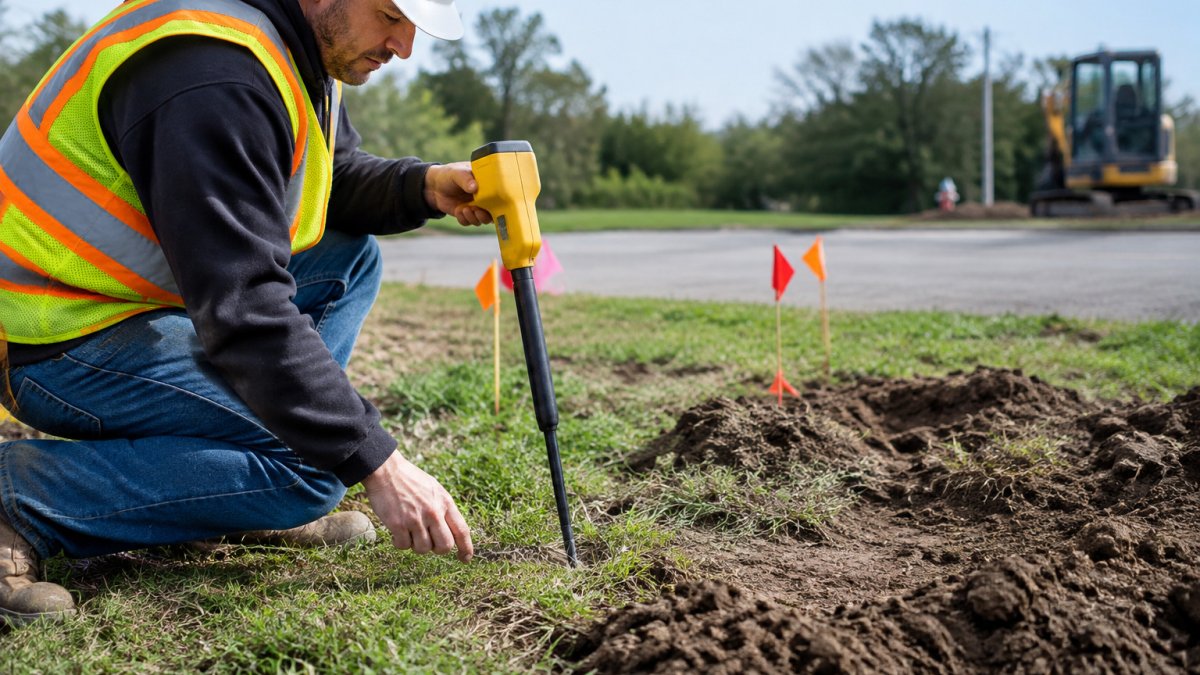
If the stump sat near a foundation, driveway, or utility line, the cleanup is more than raking. A pro can confirm the hole is properly backfilled, check for buried lines, and restore the grade so water drains away from the house. That is the difference between a patch that looks fine for a season and one that holds up for years.
Common Mistakes to Avoid With Stump Grindings
The biggest mistakes with stump grindings are all about where they end up. Put them in the right place and they help. Put them in the wrong place and they cause problems.
Watch for these five:
Piling mulch against tree trunks
Mixing fresh chips into soil
Using grindings from a diseased tree near healthy plants
One more note on wood species. Most grindings are fine for mulch. But black walnut and some other species release compounds that can harm certain plants, so keep those chips away from sensitive garden beds.
Key Takeaway The single rule that prevents most problems: keep fresh grindings on the surface, and let them age before they touch plant roots.
When to Call a Professional for Stump Grinding
Call a professional when the stump sits near a foundation, fence, or utility line.
At Anderson Tree Care, we handle stump grinding and the cleanup that follows.
We can grind the stump, haul the grindings, and restore the site for grass or replanting.
Call or text us for an estimate, and we will walk you through the options for your yard.
Frequently Asked Questions
Can stump grindings be used as mulch?
Yes, but age them first. Fresh stump grindings can tie up nitrogen as they break down, so let them sit in a pile for three to six months before spreading. Apply a two to four inch layer around trees and shrubs, keeping the material a few inches away from trunks. Aged grindings retain soil moisture, regulate temperature, and suppress weeds just like other wood chip mulches.
How long do stump grindings take to break down?
Stump grindings typically take one to two years to decompose when left in a pile, depending on chip size, moisture, and wood species. Mixing in nitrogen-rich material like grass clippings or a handful of fertilizer speeds up the process. Turning the pile every few weeks and keeping it as damp as a wrung-out sponge helps the wood break down faster into usable compost.
How do I dispose of stump grindings if I can't use them?
If you have more grindings than you can use, check whether your local waste hauler accepts yard waste for curbside pickup. Many communities also run a yard waste drop-off site. You can offer free chips to neighbors through a community group, or ask the stump grinding crew to haul the material away. Disposal fees and hauling options vary by location, so confirm details before you schedule.
Should I mix stump grindings with soil?
For garden beds, mix aged grindings into the top few inches of soil or use them as a surface mulch. Fresh grindings should not be tilled directly into soil because they can temporarily reduce nitrogen available to plants. If you want to work them in, let them age first or add a nitrogen source, then blend them with existing topsoil and organic matter before planting.
Stump grindings can be a free resource or a stubborn pile of debris, and the choice is yours. If you would rather skip the work, Anderson Tree Care can grind the stump, haul the grindings, and restore the site so your yard looks clean again. Our team is family-owned, fully insured and licensed, and backed by over a decade of experience. Call or text Anderson Tree Care for an estimate and get your yard back to normal.
Call or Text for estimate

Comments