How to Prepare Your Yard for Tree Removal

Table of Contents
Why Proper Preparation Makes Tree Removal Safer and Faster
Your Tree Removal Preparation Checklist: What to Do Before Crews Arrive
Clear Vehicles, Furniture, and Everyday Items
Mark Utilities, Sprinklers, and Septic Lines
How to Protect Landscaping During Tree Removal
Tree Removal Access for Equipment: Driveways, Gates, and Drop Zones
Know What Has to Fit
Clearance Numbers to Work With
Sizing the Drop Zone
Protect the Surface Under the Work
Plan the Exit Before the Entry
Coordinating with Neighbors, HOAs, and Local Permits
Questions to Ask a Tree Removal Company Before Work Begins
First, Decide Whether to Hire at All
Insurance and Licensing Questions
Scope, Safety, and Cleanup Questions
Get More Than One Quote
What to Expect on Removal Day: Safety and Communication
Conclusion
Frequently Asked Questions
Last Updated: October 16, 2026
Why Proper Preparation Makes Tree Removal Safer and Faster
Tree removal is the process of taking down a tree in sections or as a whole, and the work goes faster and safer when the yard is ready before the crew arrives.
Here's what most homeowners get wrong: they focus on the tree and forget the yard around it.
The preparation itself is simple. You clear what's in the way, mark what's underground, and set a safe drop zone.
Key Takeaway Most of the prep work is done by you, not the crew. Clearing the area and marking utilities before removal day prevents delays and protects your property.
Your Tree Removal Preparation Checklist: What to Do Before Crews Arrive
A tree removal preparation checklist keeps the job on schedule. Work through these tasks in the days before your scheduled service.
Clear Vehicles, Furniture, and Everyday Items
Move anything the crew could hit or trip over.
Park vehicles on the street or in a neighbor's driveway
Move patio furniture, grills, and planters well back
Take down bird feeders, wind chimes, and hanging lights
Mark Utilities, Sprinklers, and Septic Lines
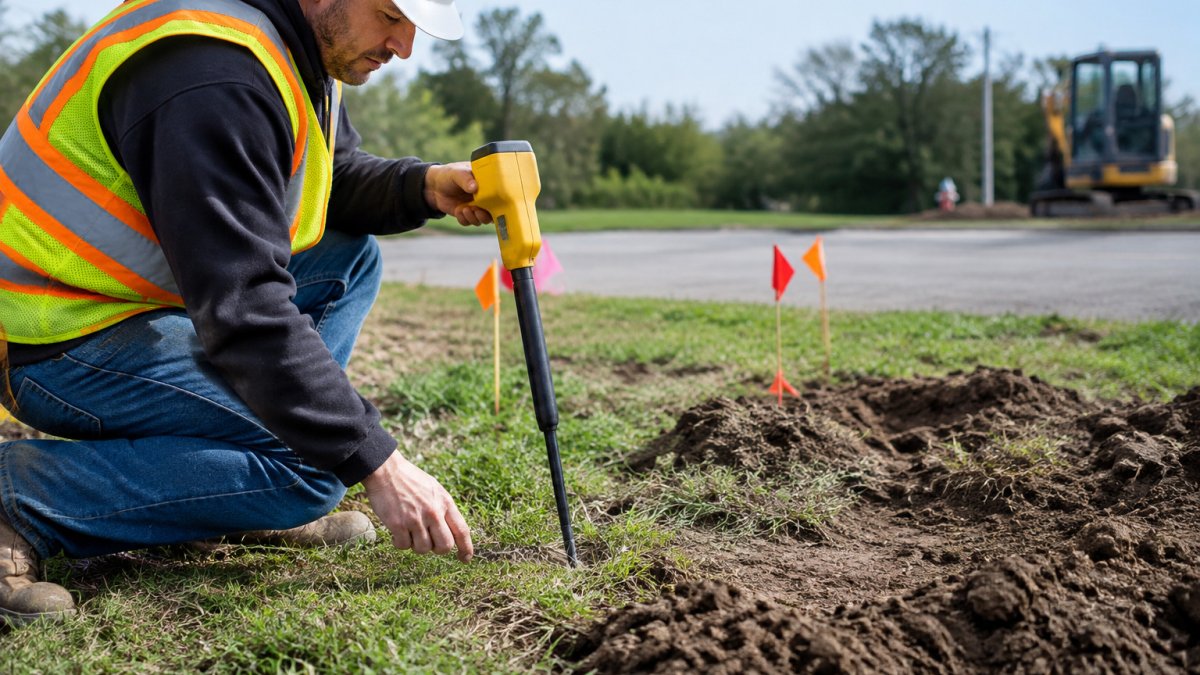
Call 811, the national call-before-you-dig line, at least a few business days before work starts. Utility crews will mark buried gas, electric, and water lines for free.
You should also flag anything 811 won't cover:
Sprinkler heads and irrigation lines
Septic tank lids and drain fields
Invisible pet fences
Watch Out Never skip the 811 call. Striking a buried gas or electric line can cause injury, outages, and costly repairs that fall on the homeowner.
Task | When | Who Handles It |
Call 811 for utility marking | 3-5 days before | Homeowner |
Move vehicles and furniture | Day before | Homeowner |
Flag sprinklers and septic lines | 2-3 days before | Homeowner |
Confirm access and drop zone | Day before | Homeowner + crew |
How to Protect Landscaping During Tree Removal
Protecting landscaping during tree removal comes down to covering, fencing, and rerouting. Talk with your crew about which plants sit in the drop zone.
Cover delicate beds with plywood sheets or heavy tarps. Fence off shrubs you can't move. If a prized plant sits directly under the tree, ask about removing it and replanting after the job.
Heavy limbs and equipment can compact soil and crush roots. A few simple steps limit the damage:
Water beds lightly so soil holds roots in place
Ask the crew to lay mats or boards on turf
Mark any plant you want spared with bright tape
Tree Removal Access for Equipment: Driveways, Gates, and Drop Zones
Tree removal access for equipment decides how the whole job runs. Crews need a clear path for trucks, chippers, and cranes, plus room to work safely.

Know What Has to Fit
Before you clear anything, ask the company what equipment they plan to bring. The footprint varies a lot:
A bucket truck or crane needs a firm, relatively level surface and overhead clearance for the boom
A wood chipper is typically towed behind a truck and needs room to turn around, not just to enter
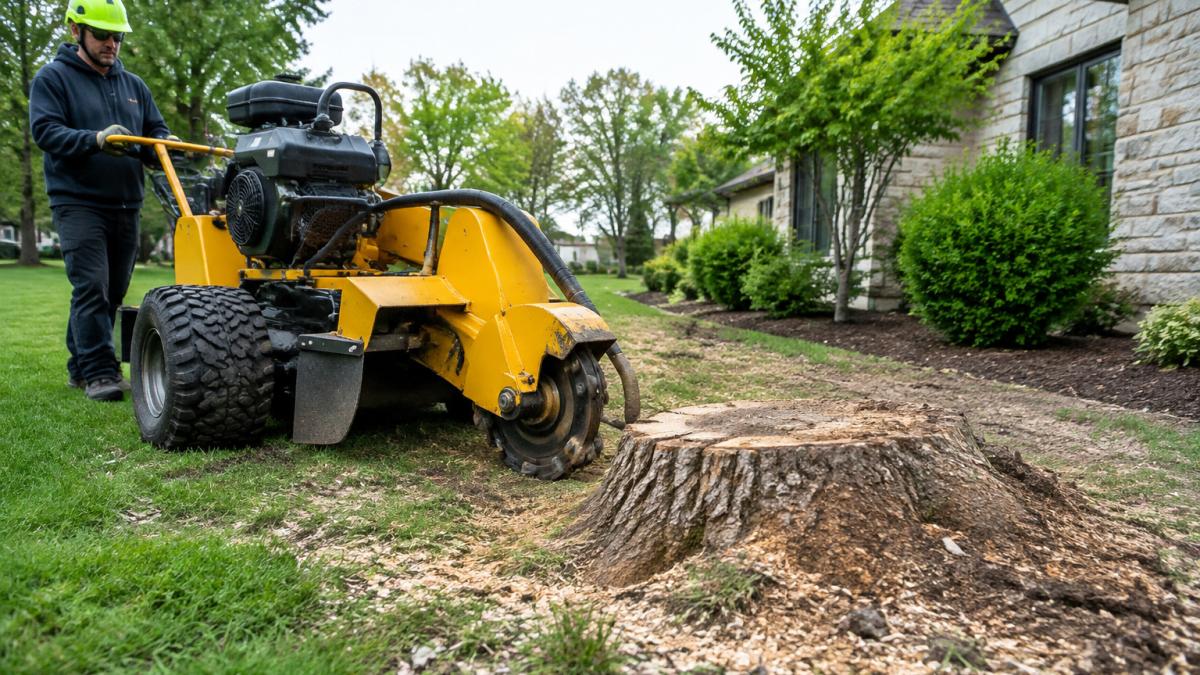
A stump grinder is often the widest single machine on site and needs a clear approach to the stump itself
A common pattern is that the driveway is fine but the turn from the street is not. Walk the route the way a driver would: from the road, up the drive, to the parking spot, to the tree.
Clearance Numbers to Work With
Exact requirements depend on the equipment, so confirm with your crew. As general planning targets:
Keep the driveway and gate path clear to at least the width of the largest vehicle, plus a foot or two on each side for mirrors and error
Trim overhanging branches so nothing scrapes the top of a truck or snags a boom
Remove low-hanging wires from the path, never move a wire yourself; call the utility
Open gates fully and remove locks, chains, and spring closures that could catch
Also clear the route of things that are easy to forget: trash bins, recycling carts, basketball hoops, toys, garden hoses, and decorative rocks or edging that a tire can roll over.
Sizing the Drop Zone
The drop zone is the area where limbs and logs land. It should be clear of people, pets, and valuables. A widely used rule of thumb is to keep bystanders back at least the height of the tree, if the tree is 60 feet tall, that is a 60-foot radius of caution, not a suggestion.
For the crew's working zone, think in two rings:
An inner work zone where the crew and equipment operate
An outer safety perimeter where you, your family, and neighbors stay
Mark the outer perimeter with cones, tape, or stakes so nobody wanders in. If the tree leans toward a structure, the drop zone shifts with the lean, a leaning tree does not fall straight down.
Pro Tip Walk your property the day before and picture a truck pulling in, turning around, and parking. Any spot you'd hesitate to drive through is a spot the crew will hesitate on too, and hesitation on removal day costs time and money.
Protect the Surface Under the Work
Heavy equipment and falling sections compact soil and crack pavement. Ask the crew to lay plywood, mats, or boards on turf and on any decorative driveway surface. If a section is going to be lowered by rope rather than dropped, point out anything fragile underneath so the crew can rig around it.
Plan the Exit Before the Entry
A chipper fills up, and a truck full of logs has to leave. Make sure the exit route is as clear as the entry route, and that no neighbor is parked blocking the street when the crew needs to pull out. If your street has parking restrictions or a narrow cul-de-sac, mention it when you book the job so the company can plan accordingly.
Coordinating with Neighbors, HOAs, and Local Permits
Coordinating with neighbors, HOAs, and local permits prevents last-minute problems. A tree near a property line affects more than one yard.
Talk to neighbors before removal day. Branches may overhang their driveway, and limbs could land on their side of the fence.
Check your HOA rules for tree work. Some associations limit work hours or require approval before removal.
Local permits matter too. Many cities require a permit to remove trees in a right-of-way or to take down protected species.
Watch Out Removing a protected tree without a permit can lead to fines and required replanting. Verify local rules first.
Questions to Ask a Tree Removal Company Before Work Begins
Questions to ask a tree removal company should cover insurance, safety, and cleanup, but before you even make the call, you need an honest answer to a harder question: is this a job you should attempt yourself at all?
First, Decide Whether to Hire at All
Most practitioners draw the line at risk, not size. A small tree in an open yard is a manageable DIY project for a careful homeowner. A large tree near anything you care about is not. Use this checklist, if you answer yes to any item, hire a professional:
The tree is tall enough that a mistake could reach your house, garage, fence, or a neighbor's property
Any part of the tree is within falling distance of a power line, cable, or utility drop
The trunk is leaning significantly, or the base shows cracks, hollows, fungal growth, or soft wood
There are dead limbs overhead, or limbs that have already dropped on their own
Ladders are involved in a large share of serious tree-cutting injuries, and a chainsaw kickback at height is not a recoverable mistake. When in doubt, the cost of a professional is almost always less than the cost of an emergency room visit or a new roof.
Insurance and Licensing Questions
Ask these before you sign anything, and ask for documentation, not just a verbal yes:
Are you fully insured? Ask to see a certificate of insurance for general liability and workers' compensation
If a worker is injured on my property, whose insurance covers it?
Are you licensed or registered where required?
Who handles damage to my fence, driveway, or home if something goes wrong?
A legitimate company will provide proof without hesitation. If a quote is dramatically lower than others and the company dodges the insurance question, that is a warning sign, an uninsured crew can leave you exposed.
Scope, Safety, and Cleanup Questions
How will you protect landscaping, turf, and pavement?
What's included in cleanup, and is stump grinding extra? Stump grinding is frequently quoted separately from removal
Is the stump grind depth enough to replant or lay sod over the spot?
How do you handle a tree near power lines? (The answer should involve the utility, not a homeowner with a pole saw)
Get More Than One Quote
For anything beyond a small ornamental tree, get at least two or three written estimates.
Anderson Tree Care is fully insured and licensed, with over a decade of experience serving West Des Moines and the surrounding areas.
For official guidance on tree care and safety, see the International Society of Arboriculture consumer resources and the U.S. Forest Service urban forestry pages. For utility safety, review the Call 811 before you dig guidance.
What to Expect on Removal Day: Safety and Communication
Removal day runs best when everyone knows the plan. Keep the work area clear and stay inside or well back from the drop zone.
Here's how the day usually goes:
The crew arrives and reviews the plan with you
Workers set up cones, mats, and safety gear
Limbs come down first, often with ropes for control
The trunk is cut in sections, then the stump is ground
Debris is chipped and hauled away
Stay in touch with the crew lead. If you have a question or a concern, speak up early rather than during a cut. Keep pets inside and kids away from the work zone.
Conclusion
Preparing your yard is the difference between a smooth removal day and a stressful one.
At Anderson Tree Care, we make the process simple. Our team is fully insured and licensed, family-owned, and backed by over a decade of hands-on experience.
Call or text Anderson Tree Care for an estimate, and let us handle the tree while you enjoy a safer, cleaner yard.
Frequently Asked Questions
What should I do before a tree removal crew arrives?
Move vehicles, patio furniture, grills, and anything fragile away from the work area. Clear a path to the tree and mark sprinkler heads, septic lines, and invisible fences. Mow the lawn a day or two before so crews can see debris easily. If you have pets, keep them indoors. Confirm the crew's arrival window and share any access codes or gate instructions in advance so the tree removal starts on schedule.
How do I protect my lawn and landscaping during tree removal?
Ask the crew to lay plywood or mats along the equipment path and under the drop zone. Water the lawn lightly the day before to firm the soil. Move potted plants, garden decor, and lightweight fixtures out of the way. For beds near the tree, a temporary tarp or mulch ring helps catch sawdust and small branches. Most damage comes from foot traffic and falling limbs, so a clear plan for how to protect landscaping during tree removal prevents costly repairs.
Should I move vehicles and notify neighbors before tree removal?
Yes to both. Park vehicles on the street or in a neighbor's driveway well before the crew arrives so the driveway stays open for equipment. Give neighbors at least a few days' notice, especially if limbs will cross the property line or if the tree removal access for equipment requires blocking a shared driveway. A short heads-up prevents complaints and keeps the job moving.
What questions should I ask a tree removal company before hiring them?
Ask for proof of insurance and a copy of their license, then confirm who handles cleanup and stump grinding. Get a written estimate that lists what is and is not included. Ask how they protect landscaping, how they handle power lines, and whether they will pull any required permits. A good list of questions to ask a tree removal company includes timeline, payment terms, and what happens if something gets damaged during the job.
Call or Text for estimate

Comments