How to Assess Tree Root Health: A Homeowner's Guide

Table of Contents
Why Tree Root Health Assessment Matters
Signs of Unhealthy Tree Roots You Can Spot
Above-Ground Stress Indicators
Below-Ground Warning Signs
How to Inspect Tree Roots Safely
Step-by-Step Root Inspection Process
Tools and When to Use Them
Tree Root Rot Symptoms and What They Mean
Identifying Tree Root Damage by Cause
Soil Compaction and Girdling Roots
Root Exposure and Heaving Soil
Lawn Mower and Equipment Damage
Soil Condition Checks That Reveal Root Health
When to Call a Certified Arborist
Frequently Asked Questions
Last Updated: October 21, 2026
Why Tree Root Health Assessment Matters
Tree roots are the foundation of your tree's survival. They absorb water and nutrients, anchor the tree against wind, and signal when something is wrong. A tree with failing roots won't recover, it will decline, become hazardous, and eventually die.
At Anderson Tree Care, we've spent over a decade helping property owners identify tree problems before they become costly emergencies. Most people wait until a tree is already dying to check its roots. By then, the damage is irreversible. Early detection changes everything.
Root problems often hide underground. You can't see girdling roots, soil compaction, or decay until they've caused serious damage. But above-ground stress signals tell the story if you know what to look for. A tree with yellowing leaves, sparse canopy, or stunted growth is usually struggling below the surface.
This guide walks you through the process of assessing tree root health safely and accurately. You'll learn which warning signs matter most, how to inspect roots without damaging them, and when to call a certified arborist for professional help.
Signs of Unhealthy Tree Roots You Can Spot
Above-Ground Stress Indicators
A tree shows distress through its above-ground parts first. These visible symptoms reveal root problems happening beneath the soil.
Yellowing or discolored leaves signal that roots can't deliver nutrients properly. If leaves turn yellow in summer when they should be green, or drop early in fall, suspect root stress.
Sparse or thin canopy means fewer leaves and branches. The tree is conserving energy because its root system can't support full growth.
Stunted growth or smaller-than-normal leaves happens when roots can't access enough water or nutrients. A tree that hasn't grown noticeably in two or three years is likely struggling below ground.
Branch dieback, dead branches throughout the canopy, indicates the tree is failing. Dead branches are brittle and may fall, creating a hazard.
Wilting during wet weather is a red flag. Healthy roots absorb water even when soil is moist.
Leaning or unstable tree suggests the root system can't anchor properly. Wind pushes the tree, and weak roots allow movement. A tree that rocks in wind is a safety risk.
Below-Ground Warning Signs
You can't see most root problems without digging. But certain below-ground signs are visible at the soil surface.
Exposed roots spreading across the soil surface signal that roots are seeking moisture above ground or that soil has eroded. Surface roots are vulnerable to mower damage and disease.
Heaving soil, raised bumps or mounds around the base, shows that roots are pushing soil upward as they expand or that soil is freezing and thawing. Heaving can crack pavement and damage foundations.
Fungal growth like mushrooms or toadstools at the base indicates decay inside the root system or in dead wood.
Cracks in nearby pavement or foundation may result from roots pushing upward or from soil subsidence caused by root decay.
Compacted soil that's hard and dense around the tree prevents root growth and water penetration. Soil that won't accept water or a shovel is compacted.
How to Inspect Tree Roots Safely
Step-by-Step Root Inspection Process
A safe root inspection takes 20-30 minutes and requires no special equipment. Follow these steps to examine your tree's root health.

Step 1: Clear the area around the base. Remove mulch, leaves, and debris from a 2-3 foot radius around the trunk.
Step 2: Look for the root flare. The root flare is the widest part where roots spread from the trunk.
Step 3: Examine the trunk base for damage. Look for cracks, cankers (sunken or discolored areas), peeling bark, or wounds. Damage here affects root function.
Step 5: Check for girdling roots. Trace the largest roots as they leave the trunk.
Step 6: Inspect visible roots for decay. Look for soft, discolored, or mushy sections. Press gently with your fingers. Decayed wood is soft; healthy wood is firm.
Step 7: Assess soil moisture. Squeeze a handful of soil from the root zone. It should hold together but crumble when you press it.
Tools and When to Use Them
Most homeowners can assess tree root health with tools already at home. Here's what helps and when to use it.
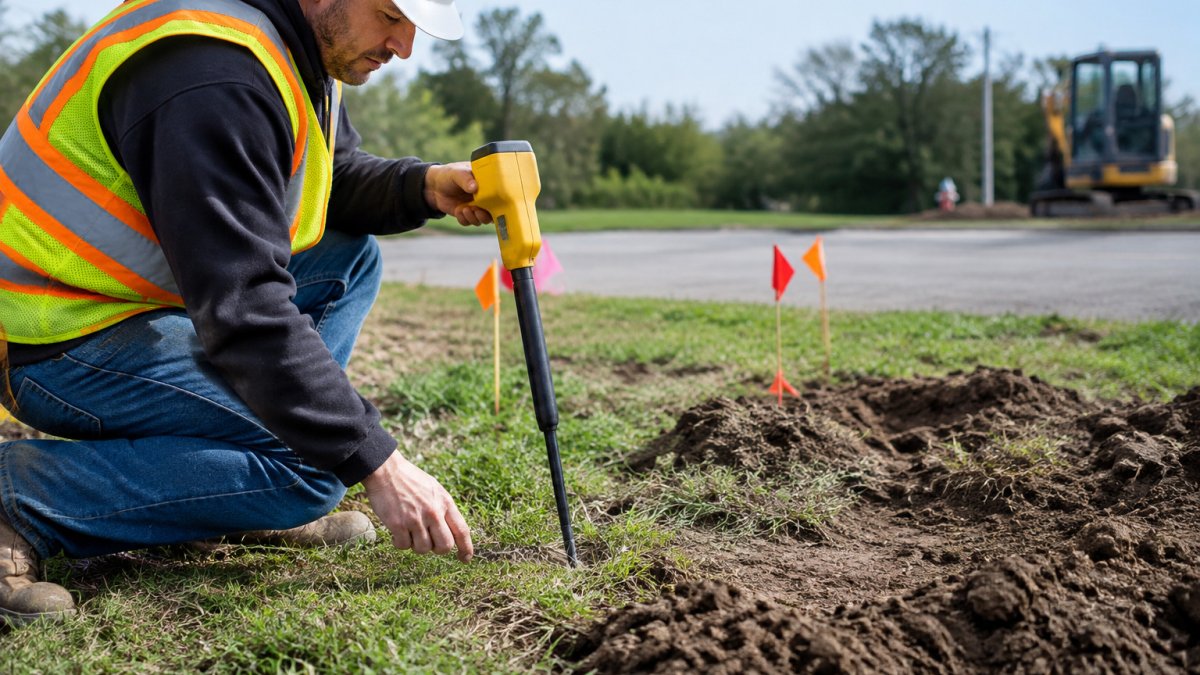
Flathead screwdriver or soil probe: Use to test soil compaction. Push it into the soil around the tree at a distance of 3-6 feet from the trunk.
Shovel: Dig carefully 1-2 feet away from the trunk to expose roots without harming them. Never dig directly against the trunk. A shallow trench shows the root system's depth and spread.
Measuring tape: Measure the trunk diameter and the distance from trunk to where roots stop spreading. This helps you track changes over time.
Moisture meter: A soil moisture meter (available at garden centers for $15-30) tells you if soil is too wet or dry. Stick the probe 4-6 inches into the root zone.
pH test kit: Soil pH affects nutrient availability. Most trees prefer pH between 6.0 and 7.0. A simple test kit shows whether pH is a limiting factor.
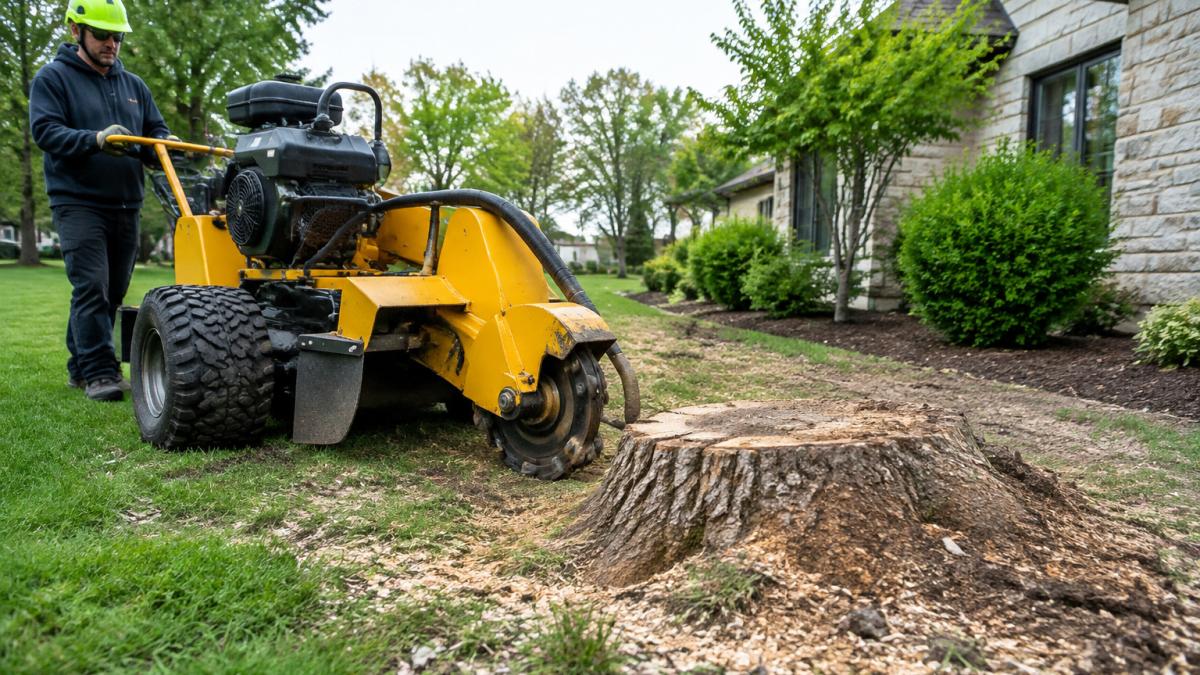
Air spade or excavation: Only a certified arborist should use an air spade, which uses compressed air to expose roots without damage.
Tree Root Rot Symptoms and What They Mean
Root rot is decay caused by fungal or bacterial infection. It destroys the root system's ability to absorb water and nutrients.
Symptoms of root rot include:
Soft, mushy roots that crumble when pressed
Dark discoloration or black streaks on roots
Foul or musty smell from the soil around the base
Rapid tree decline with yellowing leaves and branch dieback
Fungal fruiting bodies (mushrooms) at the base
Root rot often follows poor drainage or soil compaction. Roots sitting in waterlogged soil for weeks become infected. Once rot starts, it spreads quickly through the root system.
What it means: Root rot is usually fatal. A tree with advanced rot cannot recover. If caught very early, before rot spreads beyond a small section, pruning away the affected roots and improving drainage might slow decline. But most trees with root rot need removal.
Action to take: If you suspect root rot, contact a certified arborist immediately. Do not wait. A professional can confirm the diagnosis and advise whether the tree can be saved or should be removed before it becomes a hazard.
Identifying Tree Root Damage by Cause
Root damage has different causes. Identifying the cause helps you prevent it from happening again.
Soil Compaction and Girdling Roots
Soil compaction happens when soil is packed tight by foot traffic, vehicles, or construction. Compacted soil blocks root growth and prevents water from reaching roots.
Signs of compaction:
Stunted tree growth
Shallow root system that spreads sideways instead of downward
Soil that resists a shovel or soil probe
Puddling or poor drainage after rain
Girdling roots are roots that wrap around the trunk or other roots, strangling them. They cut off water and nutrient transport.
Signs of girdling roots:
Roots visible on the trunk surface that coil or squeeze
Uneven trunk growth (one side thicker than the other)
Poor canopy on one side of the tree
Bark damage or scarring where roots press against the trunk
Prevention: Avoid heavy foot traffic near mature trees. Do not compact soil with vehicles or equipment. Plant trees in loose, well-draining soil. Mulch lightly (2-3 inches) to protect roots without burying the root collar (Wood Mulch and Tree Health).
Root Exposure and Heaving Soil
Exposed roots occur when soil erodes or when roots grow toward the surface seeking moisture. Surface roots are vulnerable to damage and disease.
Root heaving happens when soil freezes and thaws in winter, pushing roots upward. It also results from roots expanding as they grow or from soil subsiding as roots decay.
Signs:
Roots visible on the soil surface
Raised bumps or mounds around the base
Cracks in pavement near the tree
Roots lifting mulch or grass
Prevention: Maintain consistent soil moisture during dry periods. Add mulch to insulate soil and regulate moisture. Avoid planting too close to pavement where heaving can cause damage.
Lawn Mower and Equipment Damage
Mower damage is one of the most common root injuries. Mowers cut grass close to the trunk, damaging the root collar and exposing roots to disease.
Signs:
Bark stripped or scarred at the base
Exposed wood or roots near the trunk
Decline starting the season after mower damage
Canker formation at the wound site
Prevention: Keep mowers and string trimmers at least 2-3 feet away from the trunk. Hand-trim grass near the base. Mulch around the tree to eliminate the need to mow close.
Soil Condition Checks That Reveal Root Health
Soil quality directly affects root health. Poor soil limits water and nutrient availability.
Drainage test: Dig a hole 12 inches deep and wide near the tree (at least 3 feet from the trunk). Fill it with water and time how long it takes to drain.
Texture test: Squeeze moist soil in your hand. It should hold together but crumble when you press it.
Color and smell: Healthy soil is dark brown and smells earthy. Gray soil or soil with a sour smell indicates poor drainage or anaerobic conditions harmful to roots.
Organic matter: Dig 6-8 inches and look for decomposing leaves, wood, and living organisms. Healthy soil is alive with activity. Dead-looking, lifeless soil lacks the biology roots need.
Depth: Dig down 12-18 inches to see how deep the good soil goes. Roots need at least 12-18 inches of quality soil to grow properly.
Improvement: Add 2-3 inches of compost or mulch annually. Avoid heavy foot traffic. Water deeply during dry periods. These steps improve soil structure and support root health.
When to Call a Certified Arborist
You can assess basic root health yourself. But certain situations require professional expertise.
Call a certified arborist if:
You suspect root rot or disease
The tree is leaning or unstable
Roots are damaged by construction, vehicles, or mowers
The tree is declining rapidly despite your care
You need to remove a tree near your home or property
Roots are damaging pavement, foundations, or utilities
You're unsure whether the tree can be saved
A certified arborist has training, equipment, and experience to diagnose problems you can't see. They can use tools like air spades to expose roots safely and recommend treatments or removal.
Anderson Tree Care has over a decade of experience assessing and treating tree problems. Our team can evaluate your tree's health, explain what we find, and recommend the best path forward, whether that's improving soil conditions, pruning, or removal.
Frequently Asked Questions
How can you tell if a tree's roots are healthy?
Healthy tree roots are firm, light-colored or tan, and free of soft spots or mushy tissue. The root flare should be visible at the base of the tree, spreading outward into the soil. A healthy root system supports strong canopy growth, vibrant leaf color, and stable tree structure. If roots crumble easily, smell foul, or feel mushy when gently probed, they are likely diseased or decaying.
What causes tree roots to become unhealthy?
Common causes include soil compaction from foot traffic or equipment, poor drainage leading to waterlogged soil, girdling roots that wrap around the trunk and cut off nutrient flow, lawn mower or equipment damage to the root flare, and fungal or bacterial diseases. Drought stress, overwatering, and buried root collars also compromise root health. Seasonal variations and species-specific needs affect vulnerability to these stressors.
Can a tree recover from root damage?
Recovery depends on the extent and type of damage. Minor root damage or early-stage root rot may be managed through improved soil drainage, reduced soil compaction, and proper watering. However, severe root decay, extensive girdling, or structural root loss typically cannot be reversed. Early detection through regular assessment allows you to implement care measures that slow decline and extend the tree's life, but professional evaluation is essential to determine recovery potential.
When should you call an arborist about tree roots?
Contact a certified arborist if you notice persistent canopy decline, large areas of exposed roots, soft or mushy roots at the base, visible trunk damage near the root collar, or sudden leaning or instability. If you suspect root rot, girdling roots, or soil compaction affecting multiple trees, professional assessment is warranted. Any signs of tree decline that worsen over weeks or months require professional diagnosis to prevent safety hazards.
Root health determines whether your tree thrives or declines. Regular assessment catches problems early, when options exist. If you notice stress symptoms or suspect root damage, don't wait. Contact Anderson Tree Care for a professional evaluation. We'll assess your tree's root health thoroughly and help you make the right decision to protect your property and landscape.
Call or Text for estimate

Comments