9 Signs of Tree Stress in Iowa Summers to Watch For

Quick Summary
Signs of tree stress in Iowa summers include scorched or brown leaf edges, yellowing leaves with green veins, wilting or curling foliage, thinning canopy, early leaf drop, and crown dieback. Heat and drought cause these symptoms as trees lose water faster than their roots can replace it. Check soil moisture and the whole tree to confirm the cause.
Crispy brown leaf margins often start on the sunniest, most exposed branches.
Wilting that persists in the morning signals serious stress rather than normal afternoon droop.
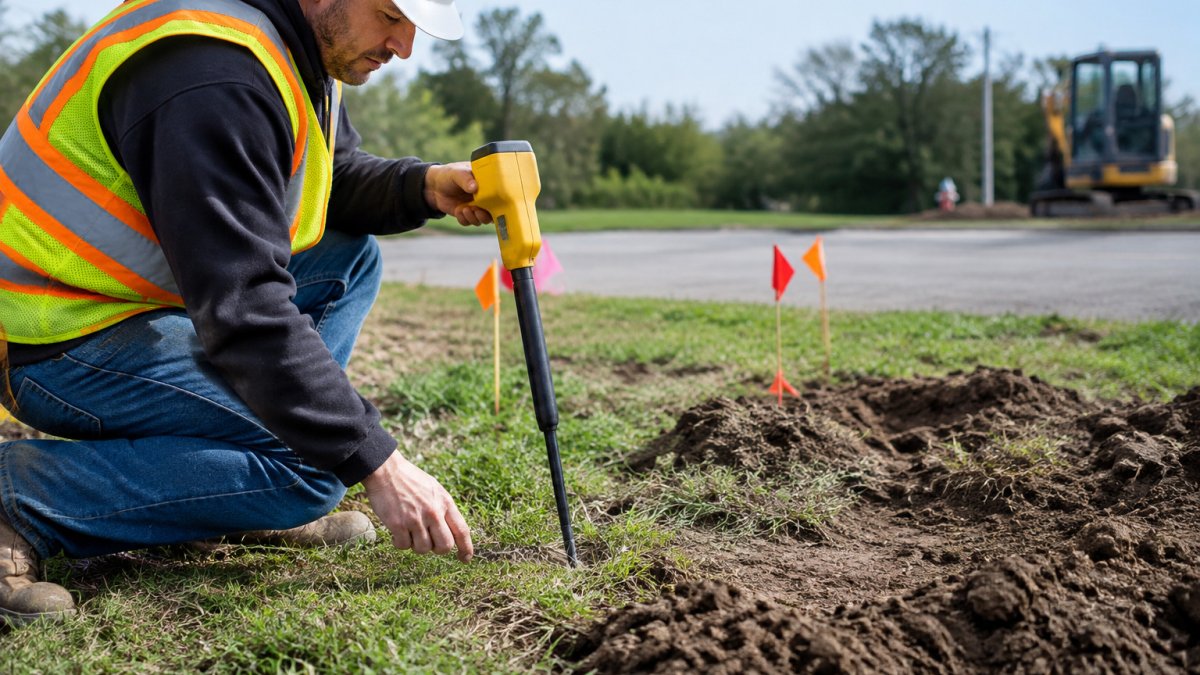
Check soil at depth under the drip line; a screwdriver resisting six to eight inches means the root zone is dry.
Water deeply to six to ten inches every seven to ten days during active drought, not shallowly and often.
Dead branches, crown dieback, or a leaning trunk call for a professional arborist assessment.
Table of Contents
9 Signs of Tree Stress in Iowa Summers to Watch For
Last Updated: October 30, 2026
Why Iowa Summers Put Trees Under Pressure
Iowa summers can be brutal on trees. Long stretches of heat, dry spells, and hard soil all add up, and that combination often produces tree stress.
Trees don't always show distress right away. A tree can look fine in July and start failing by late August.
Heat stress happens when a tree loses water faster than its roots can replace it. Drought makes this worse.
Hot days push water out of leaves faster
Dry soil limits how much water roots can reach
Compacted or shallow soil makes the problem worse
Visible Signs of Tree Heat Stress on Leaves and Foliage
Leaves are usually the first place stress shows up. Look at them closely each week during hot weather, especially on the sunny side of the tree.

Yellowing, Browning, and Scorched Leaf Margins
Brown or scorched leaf edges are one of the clearest signs of heat stress. The tissue along the margins dies because water can't reach it fast enough.
Yellowing is another common sign. Leaves may lose their green color while the veins stay green. This pattern points to water or nutrient trouble rather than a disease.
Crispy brown edges along the leaf margins
Yellow leaves with green veins still visible
Browning that starts on the sunniest, most exposed branches
Wilting, Drooping, and Curling Foliage
Wilting looks like leaves drooping or hanging limp, even when the soil is not bone dry. It often shows up on hot afternoons and may recover overnight.
Curling leaves are also a warning sign. Leaves may roll inward to reduce water loss. This is the tree's way of protecting itself.
Here is a quick reference for the leaf and foliage signs of heat stress covered above.
Sign | What it looks like | Common pattern |
Scorched margins | Crispy brown leaf edges | Starts on the sunniest branches |
Yellowing | Yellow leaves with green veins | Points to water or nutrient trouble |
Wilting | Drooping leaves | Often on hot afternoons, may recover overnight |
Curling | Leaves roll inward | Reduces water loss |
Why Are My Tree Leaves Turning Brown in Summer?
Brown leaves in summer usually come from heat, drought, or both. Still, several other causes can look similar, so it helps to check the whole tree.
Tree heat stress symptoms often show up together. If only a few leaves are brown, look at local conditions.
Start by checking the soil. Dig down a few inches near the roots. If it feels dry and hard, water is the likely problem.
Canopy Thinning, Premature Leaf Drop, and Crown Dieback
Stress doesn't stop at the leaves. Over time, a stressed tree may thin out and drop leaves early. Crown dieback is more serious. It means branches at the top of the tree start to die back.
Thinning canopy with gaps you can see through
Leaves dropping in mid-summer instead of fall
Dead branches, often at the top or outer edges
Early leaf drop does not always mean the tree is dying. Some trees drop leaves to conserve water during drought. Still, repeated early drop means the tree needs help.
Stress or Something Else? A Practical Diagnostic Sequence
Many problems look like drought stress. Pests, disease, herbicide injury, and normal seasonal change can all produce yellowing, browning, or early leaf drop. The difference usually shows up in the pattern, the timing, and which parts of the tree are affected. Work through this sequence in order and write down what you find at each step so you can compare observations over a week or two.
Confirm the weather pattern. Heat stress and drought stress build over weeks of above-normal temperatures and below-normal rainfall. Check a local rainfall total for the past 30 days against the long-term average for your area. A short hot spell rarely causes canopy-wide symptoms; a month-long dry stretch does.
Test soil moisture at depth. Push a screwdriver or soil probe into the ground under the drip line. If it takes real force to push in six to eight inches, the root zone is dry. If it slides in easily and the soil crumbles, moisture is adequate. Do this in three or four spots around the tree, not just one.
Map where the symptoms are. Symptoms on the sunny south and west sides, on outer branches, and on the top of the canopy point to heat and water stress. Symptoms concentrated on one branch, one side, or the lower canopy point to pests, disease, or physical injury.
Inspect the leaves closely. Look at the undersides for insects, mites, sticky honeydew, sooty mold, or fine webbing. Look for chewed edges, stippling, or mines. Drought stress rarely causes holes or sticky residue; insects usually do.
Check the trunk and root flare. Look for cracks, splits, oozing, fungal conks, or bark that is loose from the wood. A buried root flare or mulch piled against the trunk causes slow decline that mimics drought stress.
Note the timing and spread. Drought stress tends to appear gradually and affect the whole canopy. Disease often spreads in patches and may show distinct rings, spots, or lesions. Normal seasonal change, such as interior leaf drop on evergreens, happens on a predictable schedule each year.
How Symptoms Differ by Species
The same stress looks different depending on the tree. Use these patterns to interpret what you see.
Maples and other thin-barked deciduous trees often show scorched leaf margins first, then early leaf drop and dieback at the top of the canopy. Thin bark also makes them prone to sunscald and frost cracks on the southwest side of the trunk.
Oaks tend to hold their leaves longer under stress and may show browning from the edges inward. Sudden wilting on one side of an oak can indicate a vascular problem rather than drought, so get it checked.
Evergreens such as pines and spruces show stress through needle discoloration, needle drop, and thinning from the inside out. Normal inner-needle drop happens in fall; summer needle browning on the outer growth is more concerning.
Pro Tip Photograph the same branch and the same soil test spot every few days. A visual record makes it much easier to tell whether symptoms are spreading or holding steady.
When More Than One Cause Is Present
Stress and pests often arrive together. A drought-stressed tree is less able to defend itself, so borers, bark beetles, and secondary pathogens move in. If you see drought symptoms plus exit holes, sawdust, or oozing, treat the water problem first and have the pest issue assessed.
If your notes do not point clearly to one cause, or if symptoms are advancing quickly, a professional assessment is the next step.
How to Water Trees During Drought in Iowa
Watering is the most useful step most homeowners can take, but the details matter more than the effort. The goal is to soak the root zone to a depth of six to ten inches, not to wet the surface. Shallow watering encourages shallow roots that dry out fast and leave the tree more vulnerable the next time heat arrives.
Where to Apply Water
Tree roots spread well beyond the trunk, typically reaching out to and past the drip line, which is the outer edge of the canopy. Water the area under the canopy and a few feet beyond it rather than concentrating at the base of the trunk. A soaker hose coiled in a spiral from the drip line inward, or a garden hose on a slow trickle moved to several spots around the drip line, both work well.
How Much and How Often
A common guideline is about 10 gallons per inch of trunk diameter per watering session, measured at chest height. For a tree with a 6-inch trunk, that is roughly 60 gallons. Water slowly enough that it soaks in rather than running off. During active drought, one deep session every seven to ten days is usually better than several light sprinklings, because deep watering reaches the roots that matter.
Check Soil Moisture Before You Water
Do not water on a fixed schedule without checking the soil. Push a screwdriver or soil probe into the ground under the drip line. If it goes in easily to six inches, hold off. If it resists, water. Repeat the check a day after watering to confirm the water reached depth. This single habit prevents both underwatering and the root suffocation that comes from soggy, overwatered soil.
Adjust as Drought Deepens
Early drought, with occasional rain: water deeply every 10 to 14 days if rainfall has been below normal.
Established drought, several weeks without meaningful rain: move to every seven to ten days and prioritize newly planted trees, thin-barked species, and trees on sandy or compacted soil.
Newly planted trees, within two to three years of planting: check the root ball itself, not just the surrounding soil, because the two can differ sharply. Water the root ball directly.
Timing and Mulch
Water early in the morning to limit evaporation and to give foliage time to dry before evening. Apply two to four inches of mulch over the root zone, keeping it a few inches away from the trunk. Mulch moderates soil temperature and slows moisture loss, which stretches the benefit of every watering session.
Watch Out Avoid daily shallow watering and avoid piling mulch against the trunk. Both create conditions that look helpful but increase long-term stress.
If a tree is already showing crown dieback or large dead limbs, watering alone will not fix the structure. Have the tree assessed before the next storm season.
When a Stressed Tree Needs an Arborist's Eye
Some stress signs need more than a hose and a mulch ring.
A qualified arborist can check the tree's structure and roots. They can spot hidden problems that are hard to see from the ground.
Anderson Tree Care is a family-owned business serving West Des Moines and the surrounding areas. We are fully insured and licensed, and we have over a decade of experience.
Frequently Asked Questions
What are the signs of heat stress in trees?
Heat-stressed trees usually show leaf scorch, which means brown or dry edges on leaves, along with wilting, early leaf drop and thinning canopies. Look for these changes during hot spells, especially on the sunniest side of the tree. Because several problems produce similar symptoms, check the soil moisture and the tree's overall pattern before deciding on a cause. If symptoms appear on only one branch, look for a localized problem such as root damage, disease or a girdling wire instead of general heat stress.
How can you tell if a tree is stressed from drought?
Drought stress tends to affect the whole tree at once and often shows up as wilting, leaf curling and cracked soil around the trunk. Dig down several inches near the root zone: if the soil is dry and crumbly, the tree likely needs water. A tree that has gone without measurable rain for several weeks during an Iowa summer is a strong candidate for drought stress, particularly if it is newly planted or growing in lawn soil with limited moisture.
Should I water a stressed tree during a hot, dry summer?
Yes, a stressed tree usually benefits from deep, slow watering during dry spells. Aim to deliver about one inch of water per week, including rainfall, and apply it at the root zone rather than the trunk. A soaker hose or slow trickle left for 30 to 60 minutes often works well. Avoid frequent light sprinkling, which keeps roots near the surface, and avoid overwatering, which can cause root problems of its own.
When should I call an arborist about a stressed tree?
Call an arborist if the tree shows large dead branches, cracks or splits in the trunk, a noticeable lean, or dieback across much of the canopy. Professional help is also worth it when you cannot tell whether symptoms come from stress, disease or pests, or when the tree stands near a home or power line. Anderson Tree Care can assess the tree and recommend next steps. Call or text for an estimate. Pricing depends on the tree's size, condition and site, so contact us for a quote.
Watch for these signs as Iowa summers heat up. The earlier you catch tree stress, the more options you have to save the tree.

Comments